How to Identify Genuine Pashmina Shawl – Expert Buying Guide 2026
Pashmina shawls have long been symbols of luxury, elegance, and heritage. Often associated with royalty and timeless fashion, genuine pashmina is prized for its softness, warmth, and exclusivity. However, the global demand for pashmina has led to a flood of counterfeit products in the market, making it increasingly difficult for buyers to distinguish authentic pieces from imitations.
If you are wondering how to identify if the pashmina shawl you are buying is genuine, this comprehensive guide will walk you through everything you need to know—from understanding the origins of pashmina to performing practical authenticity tests and avoiding common pitfalls.
What Is Pashmina? Understanding the Basics
Before identifying authenticity, it’s crucial to understand what pashmina actually is.
Pashmina refers to a fine type of cashmere wool obtained from the undercoat of the Changthangi goat, native to the high-altitude regions of the Himalayas. These goats survive in extreme cold climates, and their wool develops uniquely fine fibers that are incredibly soft and warm.
Key Characteristics of Genuine Pashmina:
- Ultra-fine fiber diameter (12–16 microns)
- Lightweight yet extremely warm
- Soft and smooth texture
- Handwoven craftsmanship
- Natural matte finish (not overly shiny)
Why Genuine Pashmina Is Expensive
One of the easiest ways to spot fake pashmina is through pricing. Authentic pashmina is costly due to:
- Limited production (rare goats)
- Labor-intensive hand spinning and weaving
- Skilled artisan craftsmanship
- High demand globally
If a shawl is being sold at a very low price, it’s almost certainly not genuine pashmina.
Top Ways to Identify Genuine Pashmina Shawl
Let’s explore proven methods to determine authenticity.
1. The Touch and Feel Test
Genuine pashmina feels:
- Exceptionally soft but not slippery
- Slightly warm when touched
- Light yet cozy
Fake pashmina (often viscose or polyester blends) feels:
Too smooth or silky
Cold to the touch
Artificially shiny
Tip: Rub the shawl gently against your skin. Authentic pashmina warms quickly due to natural insulation.
2. The Burn Test (Advanced Method)
This is one of the most reliable tests but should be done carefully.
Steps:
- Take a few loose fibers from the shawl
- Burn them with a lighter
Results:
- Genuine Pashmina: Smells like burnt hair, turns to ash
- Fake Fabric: Smells like plastic, melts into a hard bead
Note: Only perform this test if you own the shawl or have seller permission.
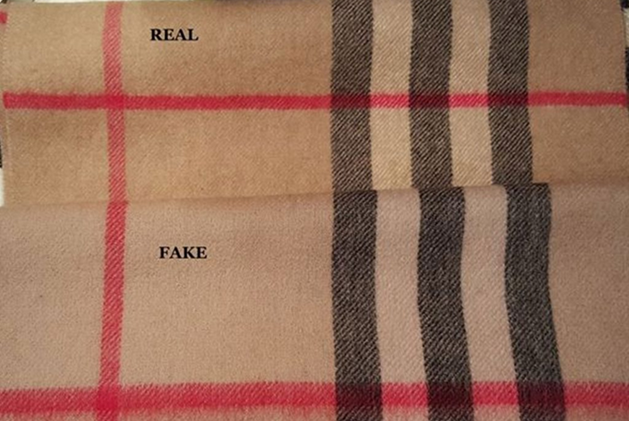
3. The Weave Test
Authentic pashmina is traditionally handwoven, meaning:
- Slight irregularities in the weave
- Uneven texture upon close inspection
Machine-made shawls:
- Perfectly uniform patterns
- Too smooth and consistent
Hold the shawl up to light—genuine pieces show slight inconsistencies.
4. The Ring Test
A classic method:
- Pass the shawl through a small ring
- Genuine pashmina easily slides through due to its fineness
However, modern fakes can sometimes pass this test, so don’t rely solely on it.
5. The Price Check
| Type of Shawl | Expected Price Range |
|---|---|
| Genuine Pashmina | $100 – $1000+ |
| Pashmina Blend | $30 – $100 |
| Fake (Synthetic) | Under $30 |
If it seems too good to be true—it probably is.
6. Check the Label Carefully
Labels can be misleading, but still useful.
Look for:
- “100% Pashmina” or “100% Cashmere”
- Country of origin (often Nepal, India)
- Certifications (GI tags or authenticity marks)
Beware:
- “Pashmina Silk”
- “Viscose Pashmina”
- “Acrylic Pashmina”
These are blends, not pure pashmina.
7. The Warmth Test
Despite being lightweight, genuine pashmina provides excellent warmth.
- Wrap it around your shoulders
- Within minutes, you should feel noticeable warmth
Synthetic fabrics usually fail this test.
8. The Friction Test
Rub the fabric gently between your fingers.
- Genuine pashmina may pill slightly due to natural fibers
- Fake shawls remain unchanged or feel overly smooth
9. Water Absorption Test
Drop a small amount of water:
- Genuine pashmina absorbs water quickly
- Synthetic fibers repel water or take longer to absorb
10. Source and Seller Reputation
Where you buy matters significantly.
Buy from:
- Trusted retailers
- Certified artisans
- Reputed online stores
Avoid:
- Street vendors with unrealistic pricing
- Unknown online sellers without reviews
Common Types of Fake Pashmina
Understanding fakes helps you avoid them.
1. Viscose Pashmina
- Made from wood pulp
- Shiny and smooth
- Cheap alternative
2. Polyester Blends
- Durable but synthetic
- Lacks warmth and softness
3. Silk Blends
- Often marketed as luxury
- Not pure pashmina
Key Differences: Genuine vs Fake Pashmina
| Feature | Genuine Pashmina | Fake Pashmina |
|---|---|---|
| Texture | Soft, warm | Smooth, slippery |
| Shine | Matte | Shiny |
| Price | Expensive | Cheap |
| Weave | Handwoven | Machine-made |
| Warmth | High | Low |
| Fiber Reaction | Burns like hair | Melts like plastic |
Certification and Authenticity Marks
Authentic pashmina often carries certifications such as:
- GI (Geographical Indication) tag
- Handmade certification
- Artisan labels
These provide additional assurance of authenticity.
Where Genuine Pashmina Comes From
The best pashmina originates from:
- Kashmir (India)
- Nepal
- Tibet region
These regions have the ideal climate and traditional expertise.
Mistakes to Avoid When Buying Pashmina
Many buyers fall into common traps:
1. Trusting Only the Label
Labels can be fake—always test physically.
2. Ignoring Price Indicators
Extremely cheap pashmina is almost always fake.
3. Buying Without Research
Always check reviews and seller reputation.
4. Falling for Marketing Terms
Words like “luxury pashmina” or “premium blend” can be misleading.
Expert Tips for Buying Genuine Pashmina
- Always touch before buying (if possible)
- Ask for certification
- Buy from trusted brands
- Compare multiple products
- Avoid impulse buying
How to Care for Genuine Pashmina
Once you own a real pashmina shawl, proper care is essential.
Care Tips:
- Hand wash with mild detergent
- Avoid wringing or twisting
- Store in breathable bags
- Protect from moths
Proper care ensures your shawl lasts for decades.
Benefits of Owning Genuine Pashmina
- Long-lasting investment
- Timeless fashion accessory
- Exceptional comfort and warmth
- Eco-friendly natural fiber
Is Pashmina Worth the Investment?
Absolutely. While expensive, genuine pashmina offers unmatched quality and durability. It’s not just a fashion item—it’s a piece of heritage craftsmanship.
(FAQs) About how to identify if the pashmina shawl i am buying is genuine?
1. Can fake pashmina feel soft?
Yes, synthetic fabrics can mimic softness but lack warmth and natural texture.
2. Is the ring test reliable?
Partially. Some fakes pass it, so combine with other tests.
3. How much should I pay for real pashmina?
Typically between $100 and $1000 depending on quality.
4. Can pashmina be machine-made?
No. Genuine pashmina is hand-spun and handwoven.
5. What is the best test for authenticity?
The burn test and touch test combined are most reliable.
6. Are blends considered fake?
Not fake, but not pure pashmina either.
7. Does genuine pashmina pill?
Yes, slightly—it’s a natural fiber.
8. Where should I buy authentic pashmina?
From trusted retailers, certified artisans, or reputed online stores.
Conclusion: How to identify if the pashmina shawl i am buying is genuine?
Knowing how to identify if the pashmina shawl you are buying is genuine can save you from wasting money on low-quality imitations. By understanding the characteristics of real pashmina and applying simple tests like touch, burn, and weave inspection, you can confidently make a smart purchase.
Authentic pashmina is more than just a shawl—it’s a legacy of craftsmanship, tradition, and luxury. Taking the time to verify its authenticity ensures that you own a piece that truly reflects its rich heritage.